What makes Korean hair salons different from Western salons
What Makes Korean Hair Salons Different from Western Salons?
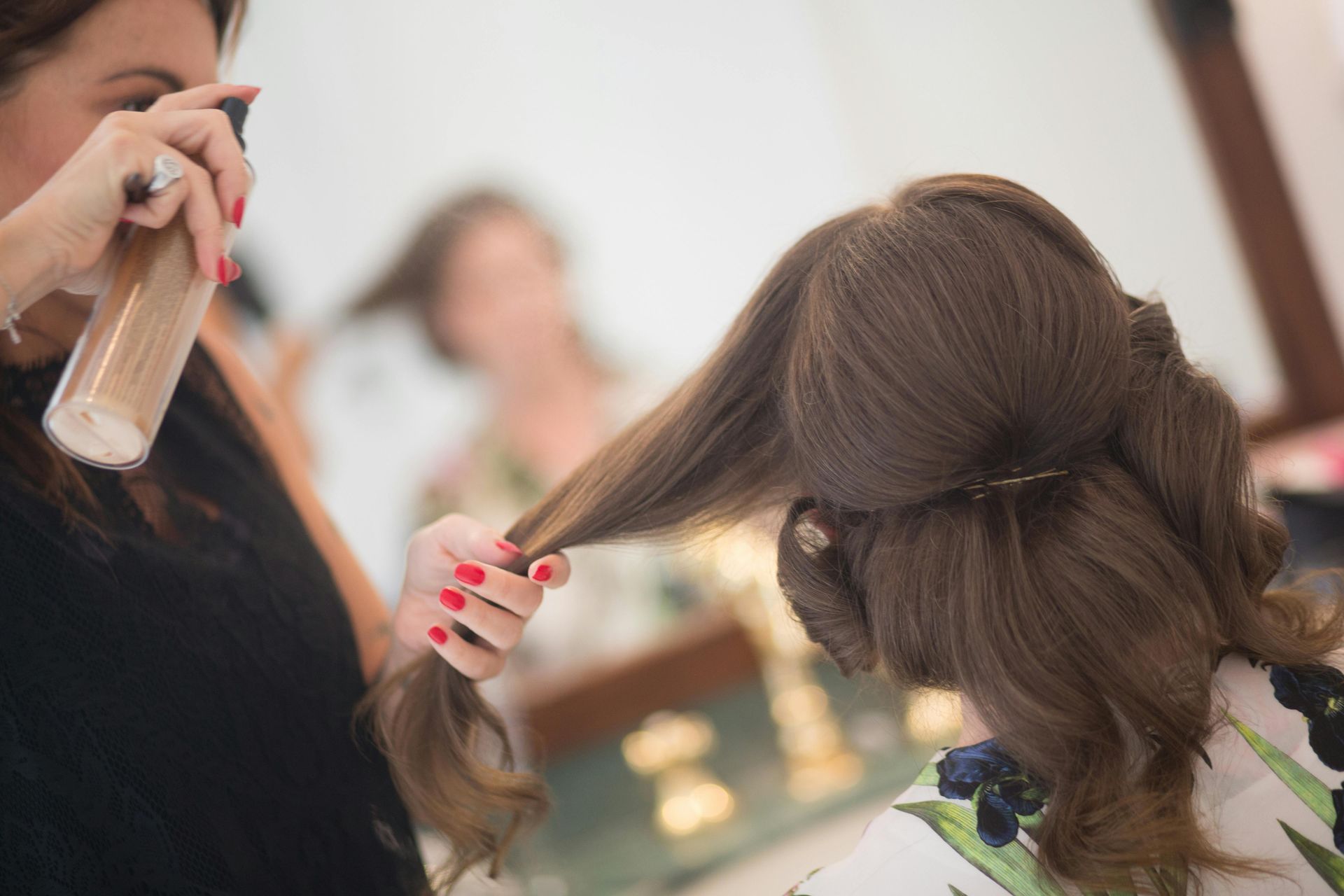
Korean hair salons have gained international attention for their polished results, thoughtful service, and trend-forward styles. But what exactly makes them feel so different from Western salons? The answer lies not in just one technique, but in an entire approach to hair, beauty, and customer experience.
Let’s explore the key differences—and why so many people find Korean salons uniquely memorable.
1. Consultations Are Deep and Personalized
Unlike the quick “What are we doing today?” conversation common in many Western salons, Korean salons typically begin with a detailed consultation.
Stylists often assess:
- Face shape and head shape
- Hair growth direction and density
- Lifestyle, job environment, and styling habits
Rather than simply executing a request, the stylist may suggest adjustments to ensure the haircut grows out well and fits the client’s daily life. This expert-guided process reflects a cultural emphasis on balance and suitability.
2. Haircuts Are Designed for Everyday Wear
Korean haircuts prioritize effortless daily styling. The goal is for hair to look good:
- With minimal heat tools
- Without heavy styling products
- Even on rushed mornings
This is why Korean styles often feature soft layers, natural movement, and strategically placed volume. In contrast, Western salons may focus more on dramatic finishes that look best immediately after professional styling.
3. Perms Are Structural, Not Extreme
Perms play a major role in Korean hair culture—but they’re very different from the tight, uniform curls many associate with perms in the West.
Common Korean perm techniques include:
- Digital perms for controlled curls at the ends
- Setting perms to guide hair direction
- Root perms to add lift without visible curls
These perms are used to support the haircut’s shape, not overpower it. In many Western countries, perms are less common and often seen as a niche or retro service.
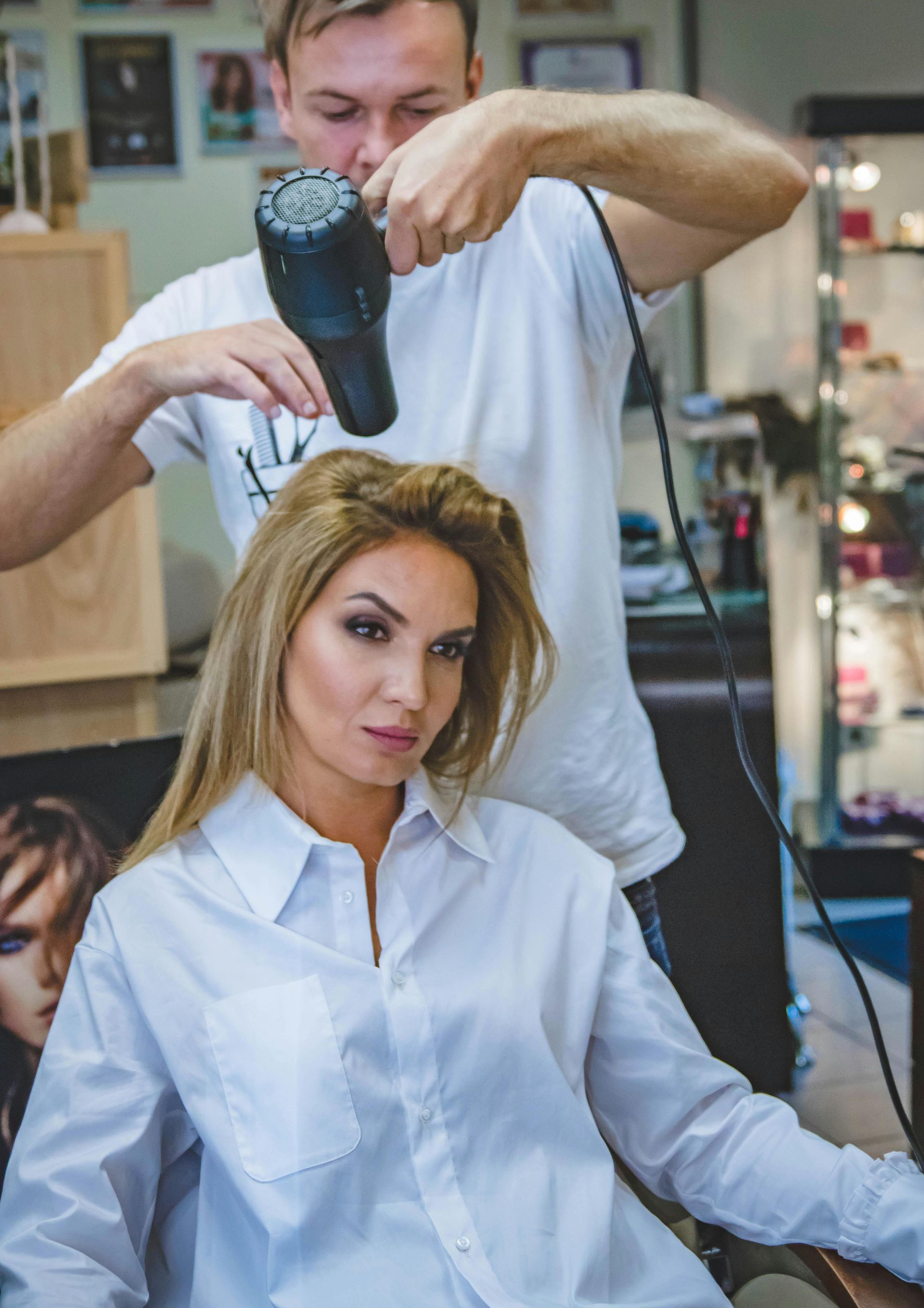
4. The Salon Experience Feels Like Hospitality
A visit to a Korean hair salon often feels closer to a spa experience. Clients may be offered:
- Slippers or a change of robe
- Tea, coffee, or small snacks
- Relaxing scalp massages during shampooing
- Multiple assistants supporting the stylist
This level of care reflects Korea’s strong service culture. Western salons may also provide excellent service, but usually with a more functional, time-efficient focus.
5. Stylists Train Longer and Specialize More
In many Korean salons, becoming a senior stylist can take years. Assistants typically:
- Spend extended time learning before cutting hair
- Specialize in specific services like color, perms, or treatments
- Follow strict internal standards
Western salons often move stylists into full client work more quickly, encouraging versatility earlier in their careers.
6. Trends Move Fast—and Salons Keep Up
Korean salons are extremely trend-responsive. Hairstyles seen in K-dramas, on idols, or on social media often appear in salons almost immediately.
Stylists regularly:
- Update techniques
- Study celebrity looks
- Adapt global trends to Korean hair textures
Western salons tend to follow trends more seasonally, while Korean salons operate in near real-time.
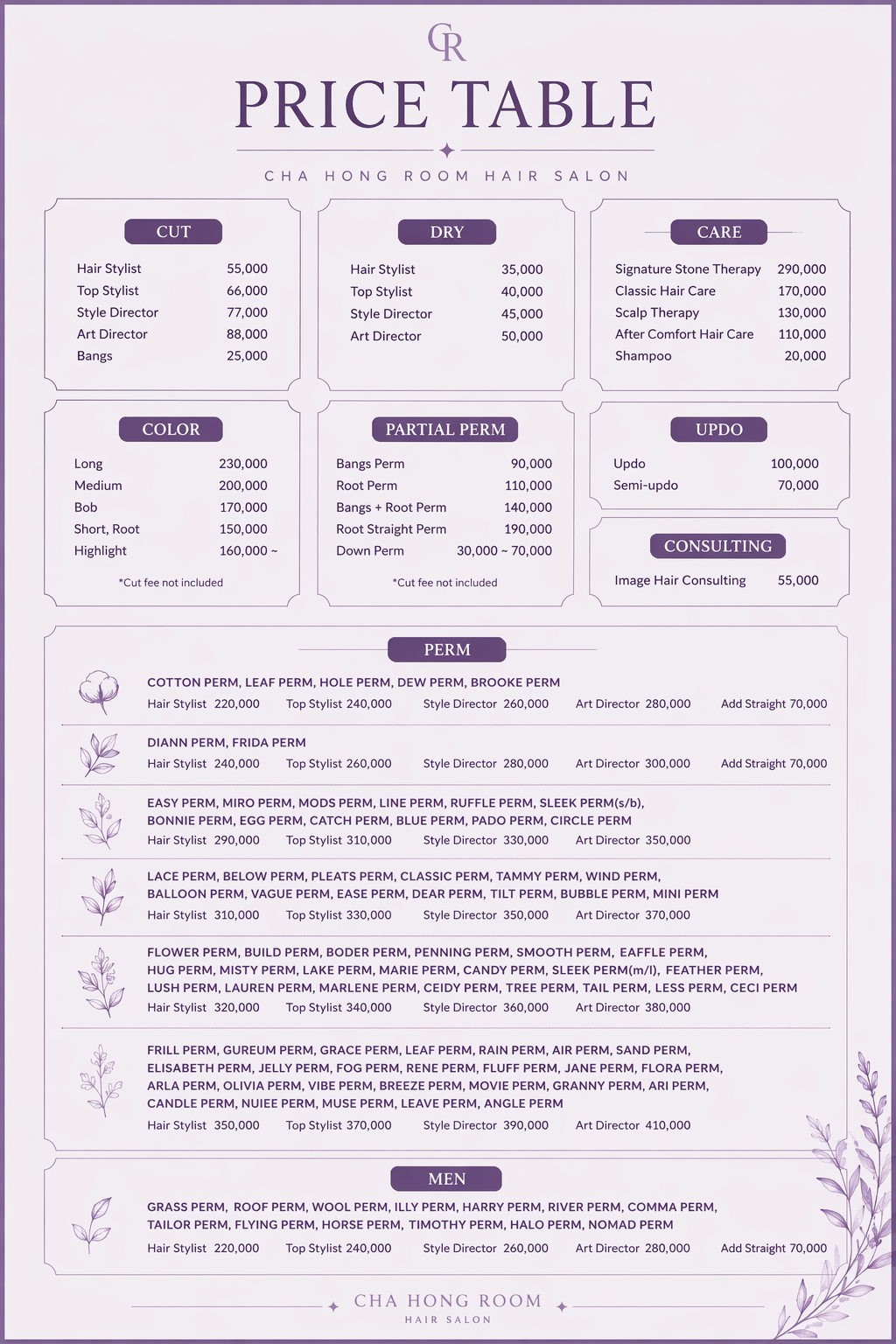
7. Pricing Is Based on Hair, Not Gender
Another notable difference is pricing structure. Korean salons usually charge based on:
- Hair length
- Technique complexity
- Time required
Western salons more commonly separate pricing by gender, which can sometimes feel less precise for clients with similar hair lengths or needs.
Final Thoughts
Korean hair salons stand out because they treat hair as part of a long-term lifestyle, not just a single appointment. Their focus on consultation, structure, service, and wearability creates results that look natural yet refined.
Western salons shine in creativity, individuality, and personal expression. Korean salons excel in balance, polish, and everyday practicality. Neither approach is better—just beautifully different.